
Window replacement costs in Georgia can vary depending on several key factors, but homeowners can expect a clear general price range. On average, replacing a standard window typically costs between $575 and $1,100 per window installed, with most full-home projects (around 10–15 windows) ranging from $6,000 to $16,000. The final price depends on materials (vinyl is more affordable, while wood or fiberglass costs more), window style, glass type, and labor complexity. For example, energy-efficient or triple-pane upgrades can add a few hundred dollars per window, while installation usually makes up about one-third of the total cost.
Factors Influencing Window Replacement Costs in Georgia
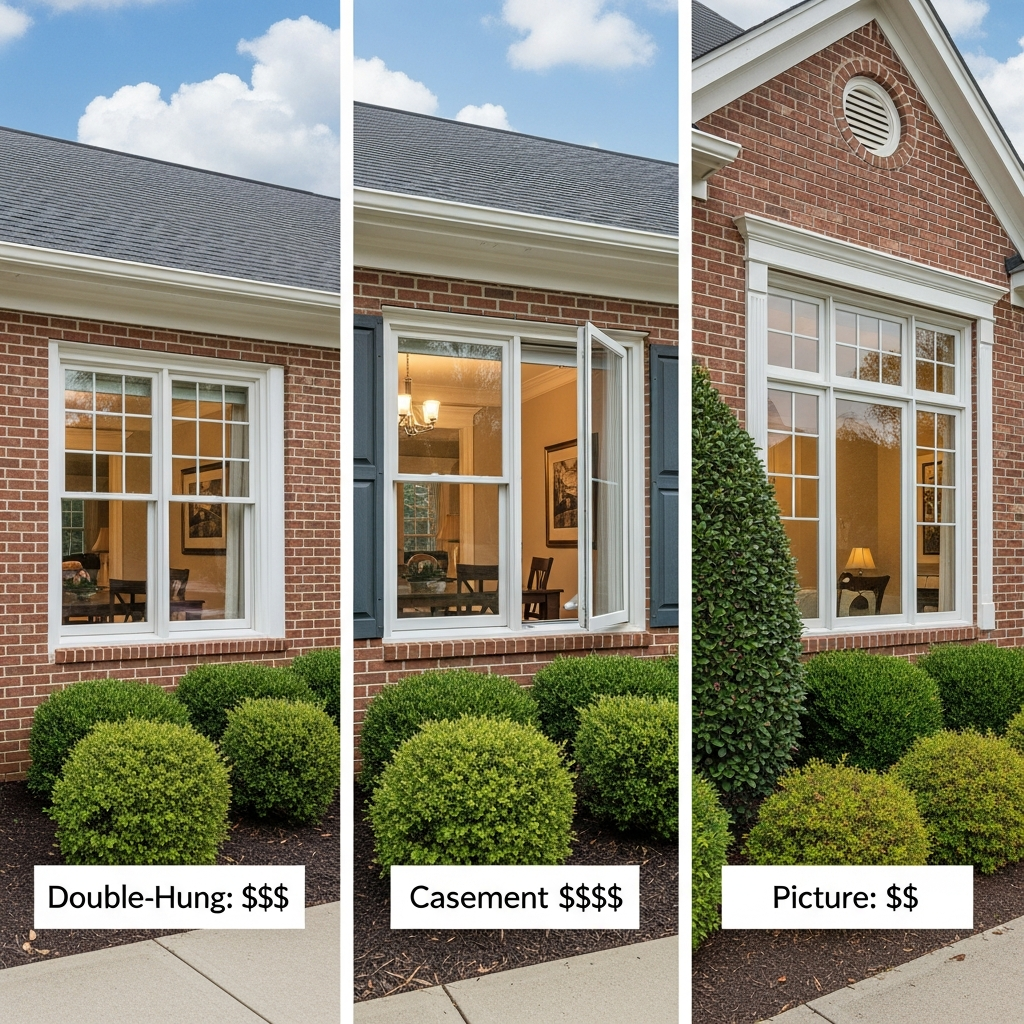
Several key factors influence the overall cost of window replacement in Georgia. Understanding these elements can help you budget accurately and make informed decisions. The primary drivers include the window type and material, the size and number of windows, the complexity of the installation, and the energy efficiency ratings you choose.
Window Type and Material: Different window styles, such as double-hung, casement, awning, and picture windows, come with varying price points. Similarly, the frame material—vinyl, wood, aluminum, or fiberglass—affects the cost. Vinyl windows are often the most affordable, while wood and fiberglass tend to be more expensive due to their durability and aesthetic appeal. For instance, a standard double-hung vinyl window might cost $400-$700 installed, whereas a comparable wood window could range from $800 to $1200 or more.
Size and Number of Windows: The dimensions of your windows directly impact the material and labor required. Larger windows necessitate more material and may require additional structural support, increasing costs. The total number of windows you’re replacing also plays a significant role. Replacing all the windows in your home at once may qualify you for bulk discounts, but it also represents a significant upfront investment. Consider prioritizing windows that are severely damaged or energy inefficient to manage your budget effectively.
Installation Complexity: The complexity of the installation process can significantly affect labor costs. If your existing window frames are damaged or require extensive modifications, the installation will be more time-consuming and costly. Windows in hard-to-reach locations, such as upper floors or areas with limited access, may also incur additional charges. For example, replacing a window in a standard opening might take a couple of hours, while a more complex installation could take half a day or longer.
Energy Efficiency Ratings: Windows with higher energy efficiency ratings, such as those with Low-E coatings and argon gas fills, typically cost more upfront. However, these windows can lead to significant long-term savings on your energy bills by reducing heat transfer and improving insulation. ENERGY STAR certified windows are designed to meet specific energy performance criteria and may qualify you for rebates or tax credits. Investing in energy-efficient windows can be a smart financial decision, especially in Georgia’s hot and humid climate. High-performance windows reduce energy consumption and increase overall comfort inside the home. Proper installation is essential to ensure the windows perform as expected and to prevent air leaks that can compromise energy efficiency.
Average Cost Ranges for Different Window Types and Materials in Georgia
To provide a clearer picture of window replacement costs in Georgia, let’s break down the average price ranges for different window types and materials. These figures include both the cost of the window itself and the installation fees. Keep in mind that these are just averages, and actual costs may vary depending on your specific location, the contractor you choose, and any unique requirements of your home.
Vinyl Windows: Vinyl windows are a popular choice for their affordability and low maintenance requirements. On average, a standard-sized double-hung vinyl window costs between $400 and $700, including installation. This price can fluctuate based on the quality of the vinyl, the window’s energy efficiency rating, and any additional features, such as decorative grids or custom colors. Vinyl windows are an excellent option for homeowners seeking a cost-effective solution without sacrificing performance.
Wood Windows: Wood windows offer a classic aesthetic and excellent insulation properties. However, they also come with a higher price tag and require more maintenance than vinyl windows. The average cost for a wood window ranges from $800 to $1,200 or more, installed. The type of wood used (e.g., pine, oak, mahogany) and any custom millwork will affect the final price. While wood windows can enhance the beauty of your home, they also need regular painting or staining to protect them from the elements.
Fiberglass Windows: Fiberglass windows are known for their strength, durability, and resistance to warping and cracking. They are more expensive than vinyl windows but offer comparable insulation to wood windows with less maintenance. Expect to pay between $700 and $1,100 for a fiberglass window, installed. Fiberglass windows are a great choice for homeowners who want a long-lasting, energy-efficient option that can withstand Georgia’s climate.
Aluminum Windows: Aluminum windows are lightweight and corrosion-resistant, making them suitable for coastal areas. However, they are less energy-efficient than vinyl, wood, or fiberglass windows. Aluminum windows typically cost between $350 and $600, installed. They are often used in commercial buildings but can also be a budget-friendly option for residential properties, especially in areas where energy efficiency is less of a concern. Selecting windows is best done by working with professionals who can help customers understand the best options for their needs.
Hidden Costs to Consider During Window Replacement
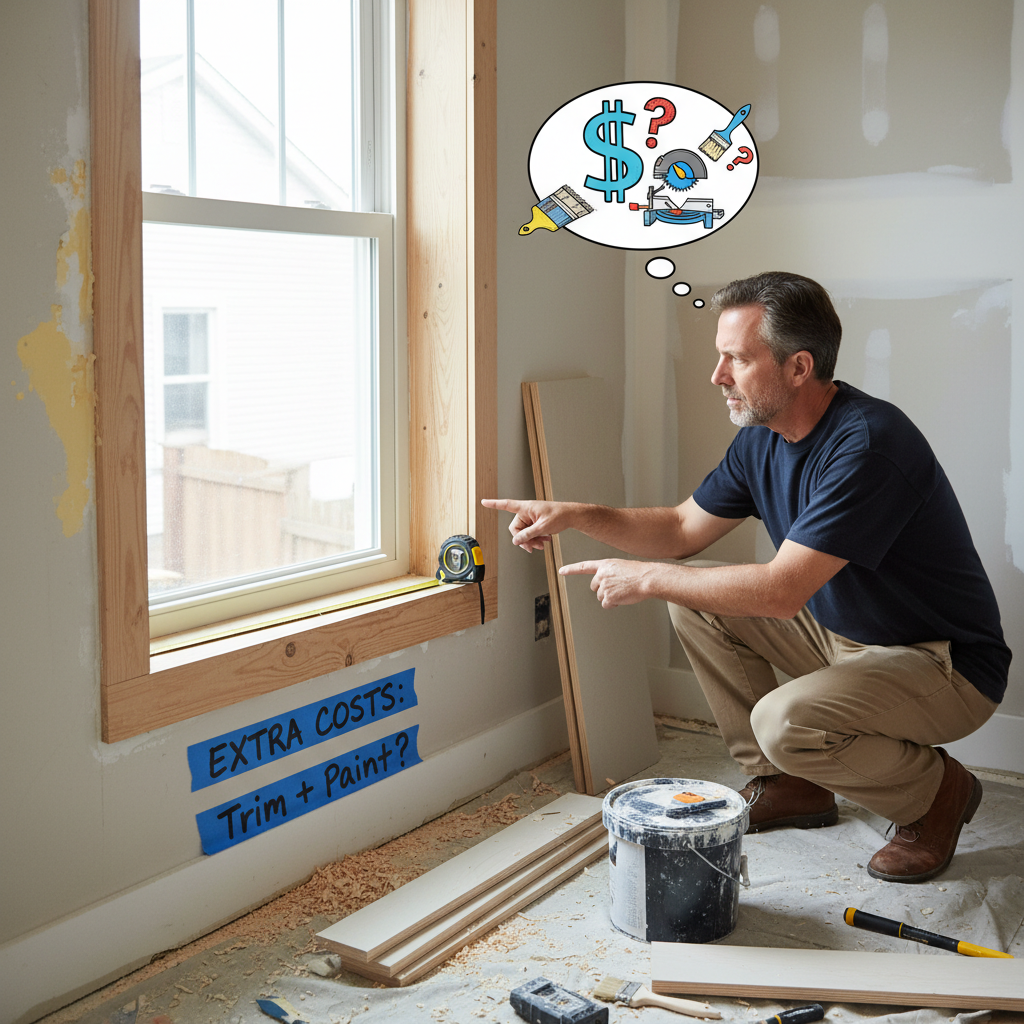
When budgeting for window replacement, it’s essential to consider potential hidden costs that may not be immediately apparent. Overlooking these expenses can lead to unexpected financial strain and project delays. Common hidden costs include the disposal of old windows, the cost of repairing or replacing damaged trim and siding, and the expense of painting or staining the new windows to match your home’s existing color scheme.
Disposal Fees: Most window replacement contractors include the cost of disposing of your old windows in their initial estimate. However, it’s always a good idea to confirm this upfront to avoid any surprises. Disposal fees can vary depending on the number of windows being replaced and the local regulations regarding waste disposal. Some contractors may charge extra for disposing of particularly large or heavy windows.
Trim and Siding Repairs: During the window replacement process, it’s not uncommon to discover hidden damage to the surrounding trim and siding. Water damage, rot, or insect infestations can compromise the structural integrity of these components and may require repair or replacement. Addressing these issues promptly is crucial to prevent further damage and ensure a weathertight seal around your new windows. Be prepared to allocate additional funds for these potential repairs.
Painting and Staining: New windows often come pre-finished in standard colors, such as white or beige. However, if you want your windows to match your home’s existing color scheme, you’ll need to factor in the cost of painting or staining. This can be a DIY project if you’re comfortable with painting, but it’s often best to hire a professional painter to ensure a smooth, even finish. The cost of painting will depend on the size and number of windows, the type of paint used, and the complexity of the job.
Permits: Depending on your location and the scope of your window replacement project, you may need to obtain permits from your local building department. Permit fees vary widely and can range from a few dollars to several hundred dollars. Failing to obtain the necessary permits can result in fines or project delays, so it’s essential to check with your local authorities before starting any work.
Insulation and Sealing: Proper insulation and sealing are crucial for maximizing the energy efficiency of your new windows. If your existing insulation is old or damaged, it may need to be replaced to ensure a tight seal and prevent air leaks. Your contractor may recommend adding additional insulation around the window frames to improve energy performance. The cost of insulation and sealing will depend on the type of insulation used and the extent of the work required.
How to Get an Accurate Window Replacement Quote in Georgia
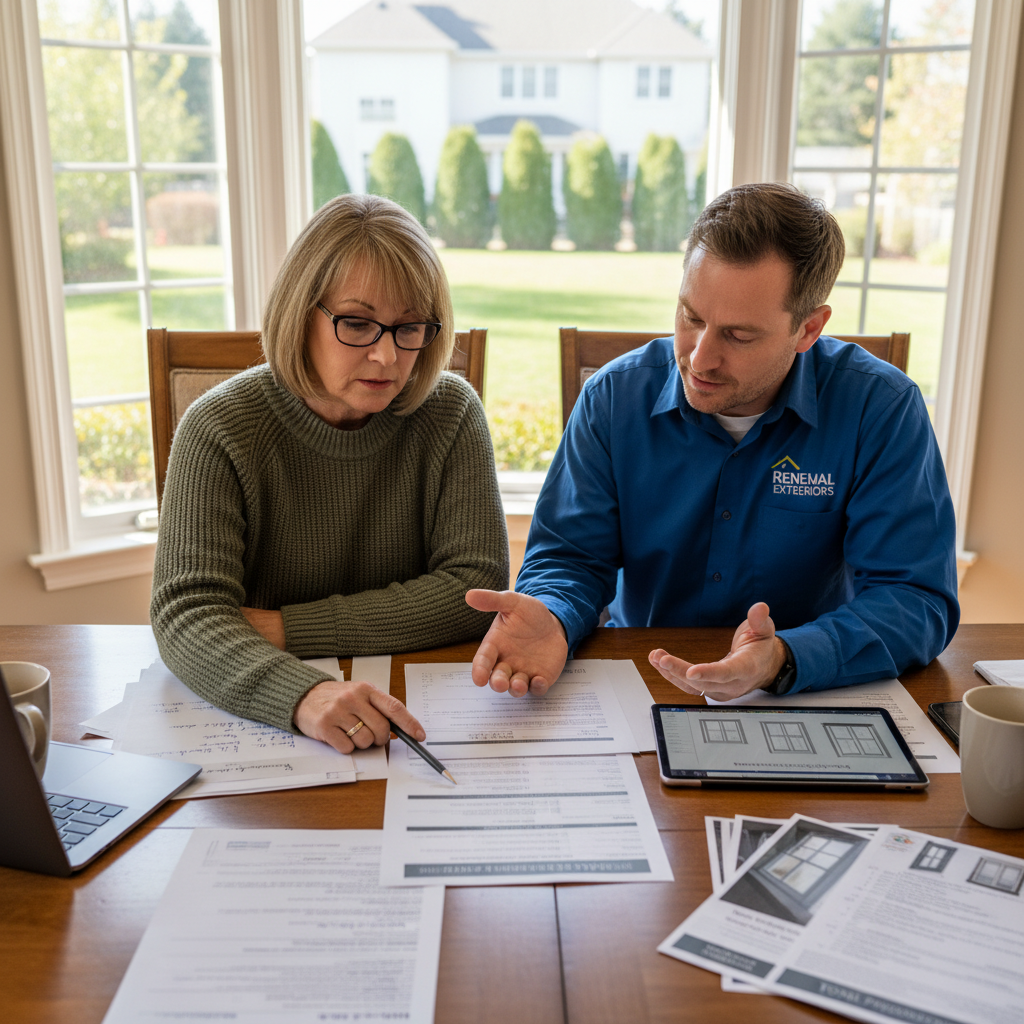
Obtaining an accurate window replacement quote is essential for budgeting purposes and ensuring a smooth project. To get the most precise estimate, it’s important to do your homework, gather multiple quotes, and ask the right questions. Here’s a step-by-step guide to help you through the process.
Research and Select Reputable Contractors: Start by researching local window replacement contractors with a solid reputation and positive customer reviews. Check online directories, ask for referrals from friends and family, and verify that the contractors are licensed and insured. A reputable contractor will have the experience and expertise to assess your needs accurately and provide a fair and transparent quote.
Schedule In-Home Consultations: Once you’ve identified a few potential contractors, schedule in-home consultations to discuss your project in detail. During the consultation, be prepared to answer questions about your window preferences, budget, and any specific concerns you may have. The contractor will inspect your existing windows, measure the openings, and assess the complexity of the installation.
Provide Detailed Information: The more information you provide to the contractor, the more accurate your quote will be. Be sure to specify the type of windows you want, the frame material, the energy efficiency ratings, and any additional features, such as decorative grids or custom colors. If you have any specific concerns about your home’s architecture or energy efficiency, be sure to share them with the contractor.
Review the Quote Carefully: Once you receive the quote, review it carefully to ensure that it includes all the necessary details. The quote should itemize the cost of the windows, the installation fees, any disposal fees, and any other potential charges. If anything is unclear or missing, don’t hesitate to ask the contractor for clarification. A transparent and detailed quote is a sign of a trustworthy contractor.
Compare Multiple Quotes: It’s always a good idea to obtain quotes from at least three different contractors before making a final decision. Comparing multiple quotes will give you a better understanding of the market rate for window replacement in your area and help you identify any outliers. Be wary of quotes that are significantly lower than the average, as they may indicate substandard materials or workmanship. Remember that the lowest price is not always the best value.
Ask About Warranties and Guarantees: Before signing a contract, be sure to ask about the contractor’s warranties and guarantees. A reputable contractor will stand behind their work and offer a warranty on both the windows and the installation. The warranty should cover defects in materials and workmanship and provide recourse in case of any issues. Understanding the warranty terms will give you peace of mind and protect your investment.
Financing Options for Window Replacement in Georgia
Window replacement can be a significant investment, but various financing options are available to help make the project more affordable. Exploring these options can enable you to proceed with your window replacement project without depleting your savings or incurring excessive debt. Common financing options include home equity loans, personal loans, credit cards, and manufacturer financing.
Home Equity Loans: A home equity loan allows you to borrow money against the equity you’ve built up in your home. The loan is secured by your home, and the interest rates are typically lower than those of unsecured loans. Home equity loans are a good option if you have sufficient equity in your home and are comfortable using it as collateral. However, keep in mind that you risk losing your home if you fail to repay the loan.
Personal Loans: Personal loans are unsecured loans that can be used for any purpose, including window replacement. The interest rates on personal loans are typically higher than those of secured loans, but they may be a good option if you don’t have sufficient equity in your home or prefer not to use it as collateral. Personal loans are available from banks, credit unions, and online lenders.
Credit Cards: Credit cards can be a convenient way to finance smaller window replacement projects. Many credit cards offer introductory 0% APR periods, which can save you money on interest charges. However, be sure to pay off the balance before the introductory period ends, or you’ll be subject to high interest rates. Credit cards are best suited for smaller projects or for those who can pay off the balance quickly.
Manufacturer Financing: Some window manufacturers offer financing options to help customers purchase their products. These financing programs may offer low interest rates or special promotions, such as deferred payments. Manufacturer financing can be a good option if you’re set on a particular brand of windows and want to take advantage of their financing terms.
Government Programs and Rebates: Check with your local and state government agencies to see if any programs or rebates are available for energy-efficient window replacement. Many government programs offer incentives to homeowners who install energy-efficient windows, such as tax credits or rebates. Taking advantage of these programs can significantly reduce the overall cost of your project. Researching options for financial support can help homeowners make affordable decisions when updating the windows in their home.
DIY vs. Professional Window Replacement: Which is Right for You?
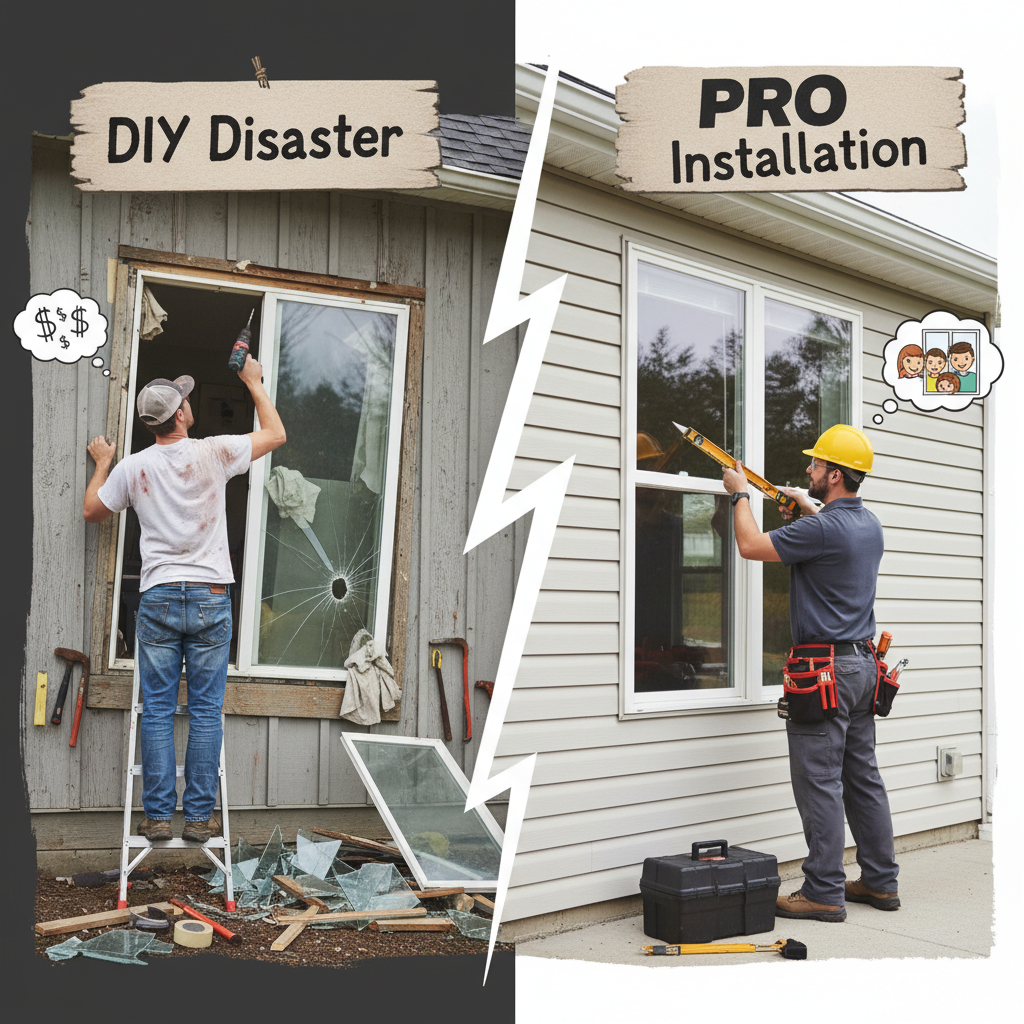
Deciding whether to tackle window replacement as a DIY project or hire a professional installer is a crucial decision that can significantly impact the outcome and overall cost. While DIY window replacement may seem like a cost-effective option, it requires a certain level of skill, experience, and the right tools. Professional installation, on the other hand, offers the expertise and assurance of a job well done, but it comes at a higher price.
DIY Window Replacement: DIY window replacement can save you money on labor costs, but it’s not without its risks. If you’re not experienced in carpentry and construction, you may end up making costly mistakes that can compromise the energy efficiency and structural integrity of your home. DIY window replacement requires precise measurements, careful installation, and a thorough understanding of building codes and regulations. It also requires a significant investment in tools and equipment.
Professional Window Replacement: Hiring a professional window installer ensures that the job is done correctly and efficiently. Professional installers have the experience, tools, and expertise to handle even the most complex window replacement projects. They can also provide valuable advice on window selection, energy efficiency, and maintenance. While professional installation costs more than DIY, it can save you money in the long run by preventing costly mistakes and ensuring that your windows perform optimally.
Factors to Consider: When deciding between DIY and professional window replacement, consider your skill level, the complexity of the project, and your budget. If you’re a seasoned DIYer with experience in carpentry and construction, you may be able to handle a simple window replacement project. However, if you’re not comfortable with power tools or lack experience in construction, it’s best to leave the job to the professionals. The complexity of the project also plays a role. Replacing a few standard-sized windows in a straightforward opening is much easier than replacing custom-sized windows or windows in hard-to-reach locations. Finally, consider your budget. DIY window replacement can save you money on labor costs, but it can also be more expensive if you make mistakes or have to purchase specialized tools.
Benefits of Professional Installation: Professional window installers provide the customer with the peace of mind that the windows will be installed correctly the first time. With years of experience, they also are better equipped to deal with unexpected problems and offer multiple solutions to keep a project on track.
Conclusion
Understanding the costs associated with window replacement in Georgia is essential for homeowners looking to improve their home’s energy efficiency, aesthetics, and value. By considering the various factors that influence pricing, such as window type, material, installation complexity, and energy efficiency ratings, you can develop a realistic budget and make informed decisions. Obtaining multiple quotes from reputable contractors, exploring financing options, and weighing the pros and cons of DIY versus professional installation will further empower you to navigate the window replacement process successfully. Remember that investing in high-quality, energy-efficient windows is not only a financial decision but also a commitment to enhancing your home’s comfort, sustainability, and long-term value. By taking a proactive and informed approach, you can ensure that your window replacement project is a worthwhile investment that you’ll enjoy for years to come. Furthermore, A1 Windows is dedicated to providing detailed explanations to each customer to help reduce homeowner anxiety and to create an organized and reliable service. Our team of professionals are prepared to fully explain all relevant information so that each customer is confident in their decisions.
FAQ
How long do replacement windows typically last?
The lifespan of replacement windows can vary depending on the material, quality, and maintenance. Vinyl windows typically last 20-40 years, while wood and fiberglass windows can last 30-50 years or longer with proper care. Regular cleaning and maintenance can extend the lifespan of your windows.
What are the benefits of energy-efficient windows?
Energy-efficient windows can significantly reduce your energy bills by minimizing heat transfer and improving insulation. They can also make your home more comfortable by reducing drafts and maintaining a consistent temperature. Additionally, energy-efficient windows can increase your home’s value and reduce your carbon footprint.
How do I know when it’s time to replace my windows?
Common signs that it’s time to replace your windows include drafts, condensation between the panes, difficulty opening or closing, and visible damage to the frames. If your windows are more than 20 years old, it may also be time to consider replacing them, even if they don’t show obvious signs of wear and tear.
What is Low-E glass?
Low-E (low-emissivity) glass is a type of glass that has a thin, transparent coating that reduces heat transfer. This coating reflects infrared light, which helps to keep heat inside during the winter and outside during the summer. Low-E glass can significantly improve the energy efficiency of your windows.
Do I need a permit to replace my windows in Georgia?
Whether or not you need a permit to replace your windows in Georgia depends on your local building codes and the scope of the project. In many cases, you will need a permit if you are changing the size or location of the window opening. It’s best to check with your local building department to determine the specific requirements in your area.
External Links
ENERGY STAR certified windows: ENERGY STAR